The Origin of Maple Sugaring in North America
When you drizzle maple syrup on pancakes, you’re tasting the result of traditions that go back thousands of years. Long before Europeans set foot in North America, Native American tribes in the northeast were collecting, processing, and celebrating the sap of maple trees. This practice wasn’t just about sweetening food—it was a seasonal event rich with cultural meaning and community spirit.
The First Maple Sugar Makers
Tribes like the Anishinaabe (Ojibwe, Odawa, Potawatomi), the Haudenosaunee (Iroquois Confederacy), and the Wabanaki were among the first peoples to discover the gifts of maple trees. They recognized that when winter began to loosen its grip and days warmed while nights stayed cold, the sap would start to run. This natural cycle marked the beginning of “sugaring season,” a time to gather and give thanks.
Gathering Sap the Traditional Way
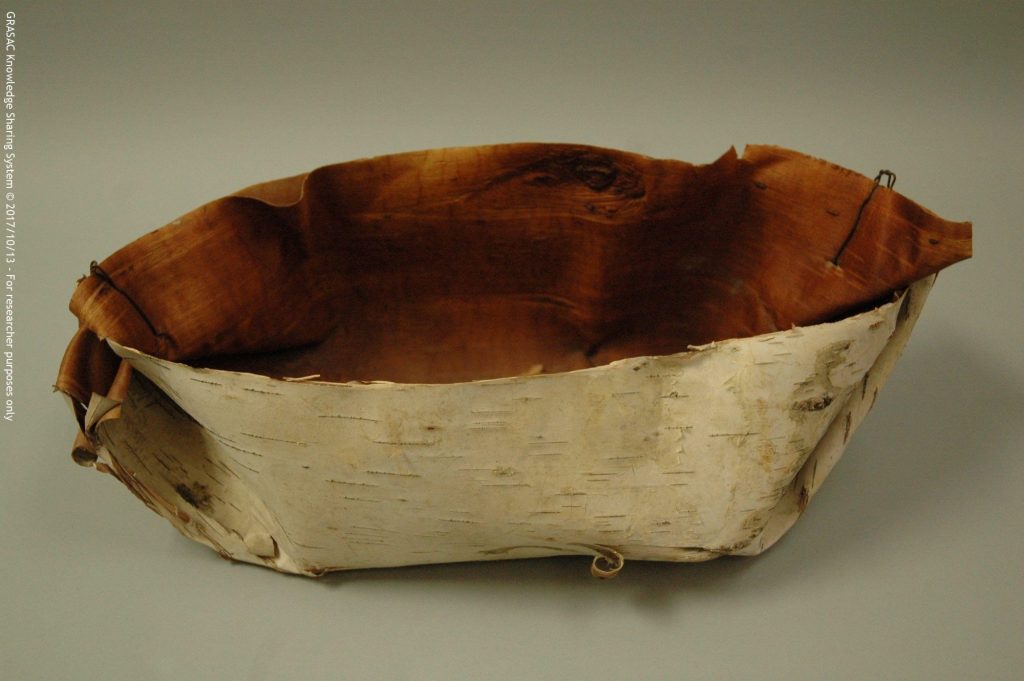
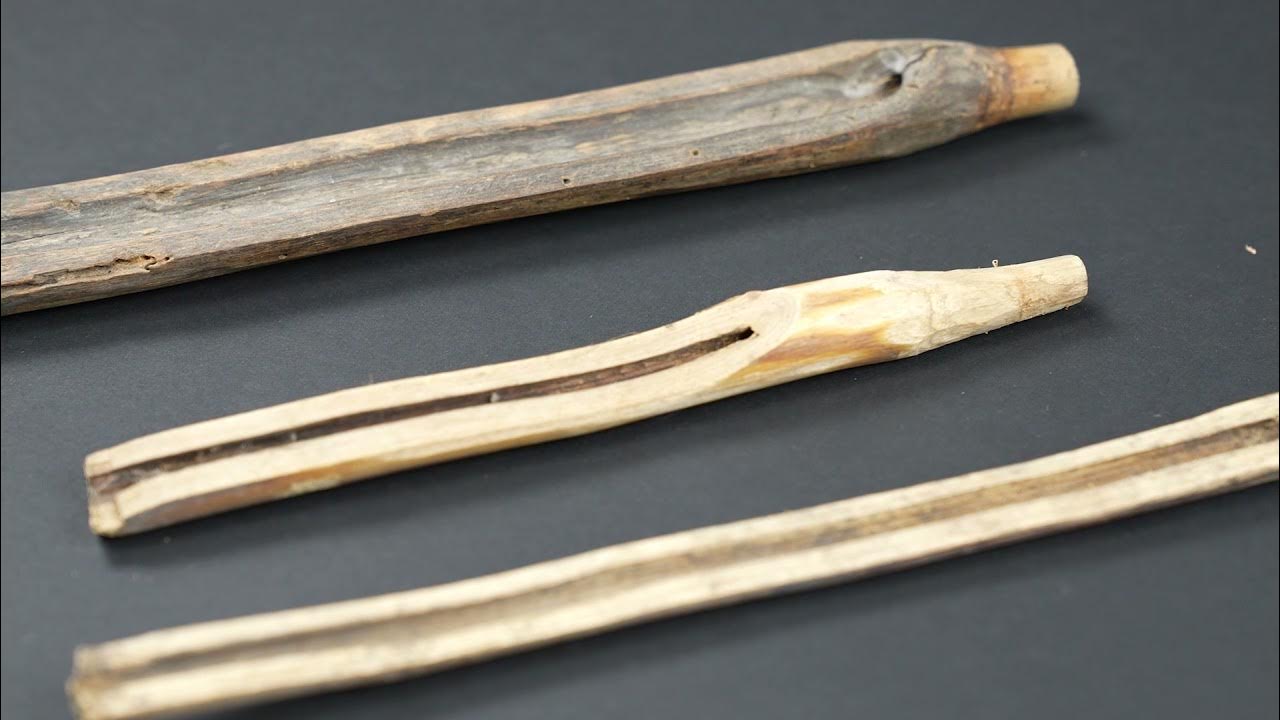
Instead of modern metal taps and buckets, Indigenous peoples used what was available to them. Small notches were cut into the bark, and wooden or bone spiles were inserted to guide the sap into birch bark or wooden containers. The fresh sap was seen as a tonic that restored energy after the long, harsh winter.
Turning Sap into Sugar
Today we think of maple syrup, but traditionally the end goal was maple sugar. Syrup could spoil, but sugar was easy to store and carry.
-
Stone Boiling: Sap was collected into hollowed-out logs, clay pots, or bark containers. Heated stones were carefully dropped into the liquid to slowly evaporate the water.
-
Sugar Cakes and Granules: After hours of patient work, the thickened sap was stirred until it crystallized. The sugar was pressed into cakes or stored in loose granules, both of which could last indefinitely and be added to meals throughout the year.
-
New Tools Over Time: When iron kettles became available through trade, the process became quicker, but the methods and meaning stayed rooted in tradition.
More Than Food—A Sacred Gift
For Native communities, maple wasn’t just a sweetener; it was a gift from the Creator. The Anishinaabe tell the story of Nanabozho, a cultural hero who saw that people were becoming lazy because maple trees gave pure syrup. To teach them balance and respect, Nanabozho thinned the sap with water, so people would have to work to transform it into sugar. This story reminds us that maple sugaring was about gratitude and effort as much as nourishment- after long hours in the sugarhouse during early spring, I think most sugarmakers can appreciate this sentiment!
The Roots of Today’s Maple Syrup
European settlers learned the art of sugaring directly from Native peoples. Over time, the practice shifted toward making syrup, but the foundation—respecting the trees, working with the rhythms of the seasons, and sharing sweetness with others—comes from Indigenous traditions.
So the next time you enjoy a taste of maple, remember: it carries with it centuries of knowledge, hard work, and reverence for nature.